

NIGERIA
Masculinity, boys and Men’s Health

NIGERIA
Masculinity, boys and Men’s Health
Masculinity and Health behaviour of boys and men towards HIV and STD: a study of internal migrants in Nigerian slums
In Nigeria, an estimated 2 million adults aged 15-49 live with HIV (Onovo et al., 2023), ranking third globally in terms of people living with HIV (Ukaegbu et al., 2022). The risk of HIV is exacerbated by Sexually Transmitted Diseases (STDs), which increase the viral load, susceptibility, and disease progression (Cohen et al., 2019). Globally, women bear a disproportionate burden of HIV/STDs, but boys and men face unique challenges of poor access to care and increased riskier behaviours. In sub-Saharan Africa, men are less likely to access treatment and know their HIV status (UNAIDS, 2017). The HIV/STD burden for boys and men is aggravated in slums due to poor healthcare, poverty, and socioenvironmental conditions (Kabiru et al., 2011; Madise et al., 2012). The situation may be particularly dire for internal migrants in Nigeria, who reportedly endure a double layer of exclusion within these marginalized settings (Abiola & Ndisika, 2022; Mberu & White, 2011). Men’s attitudes toward their health are influenced by cultural and gender norms, with masculinity playing a significant role (Etienne, 2018).
This study will examine how boys and men in Nigerian slums behave towards HIV/STDs, to identify masculine norms that influence their prevention, management and treatment plans. Addressing this gap is crucial for improving male-targeted health programs and the overall well-being of boys and men and the community at large. Through working with groups residing in slums, and adopting the Masculinity Value Framework (MVF), the project is developing a Positive Masculinity Value Framework, which will be delivered with boys and men, capable of challenging gender norms and masculine ideas obstructing the prevention, management and treatment of HIV/STDs. It will also lead to the development of a collaborative strategy for future engagement with boys and men.
Lead Researcher: Dr. Aloysius Odii (Health Policy Research Group, University of Nigeria)
Co-Researchers: C.K. Akaero (University of Nigeria) and Chinazom Ekwueme (University of Nigeria Teaching Hospital)
Mentors: Dr. Chidi Ugwu, Medical Anthropologist, University of Nigeria, and Dr. Chima Izugbara, International Centre for Research on Women, USA.
Partner Organisation: Equity Watch Initiative (EWIN)
Lead Institute: Health Policy Research Group, University of Nigeria


Dr. Aloysius Odii holds a PhD in Demography and Population Studies, and is a lecturer at the University of Nigeria, Nsukka. His research interests are on sexual and reproductive health, health systems, corruption and migration.
INNOVATIVE PROJECTS

Bangladesh

Nigeria
Nepal

Ghana

Bangladesh
Bangladesh

Bangladesh

Nepal

Nigeria

Nigeria
Ghana
Bangladesh

Bangladesh
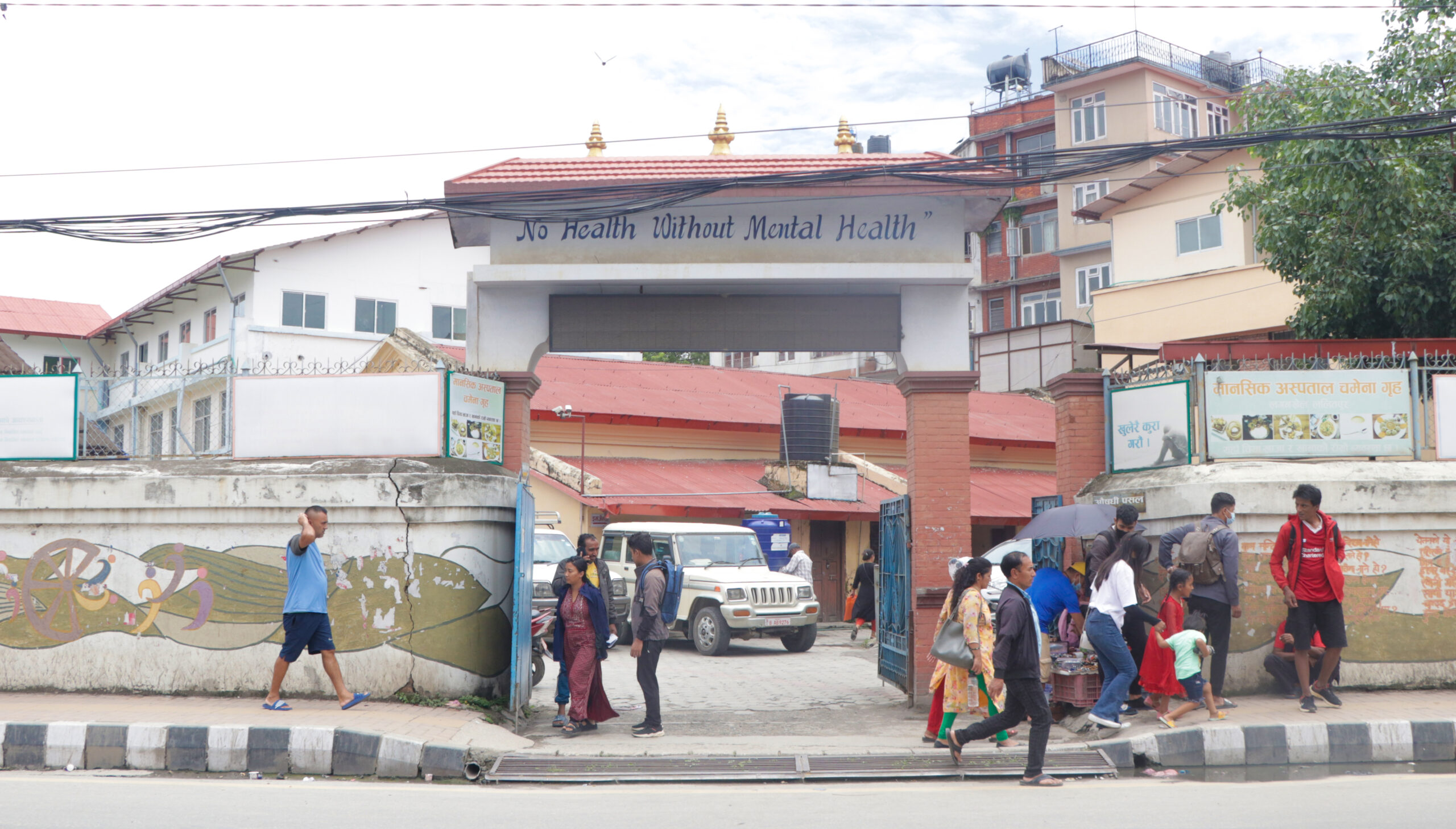
Nepal
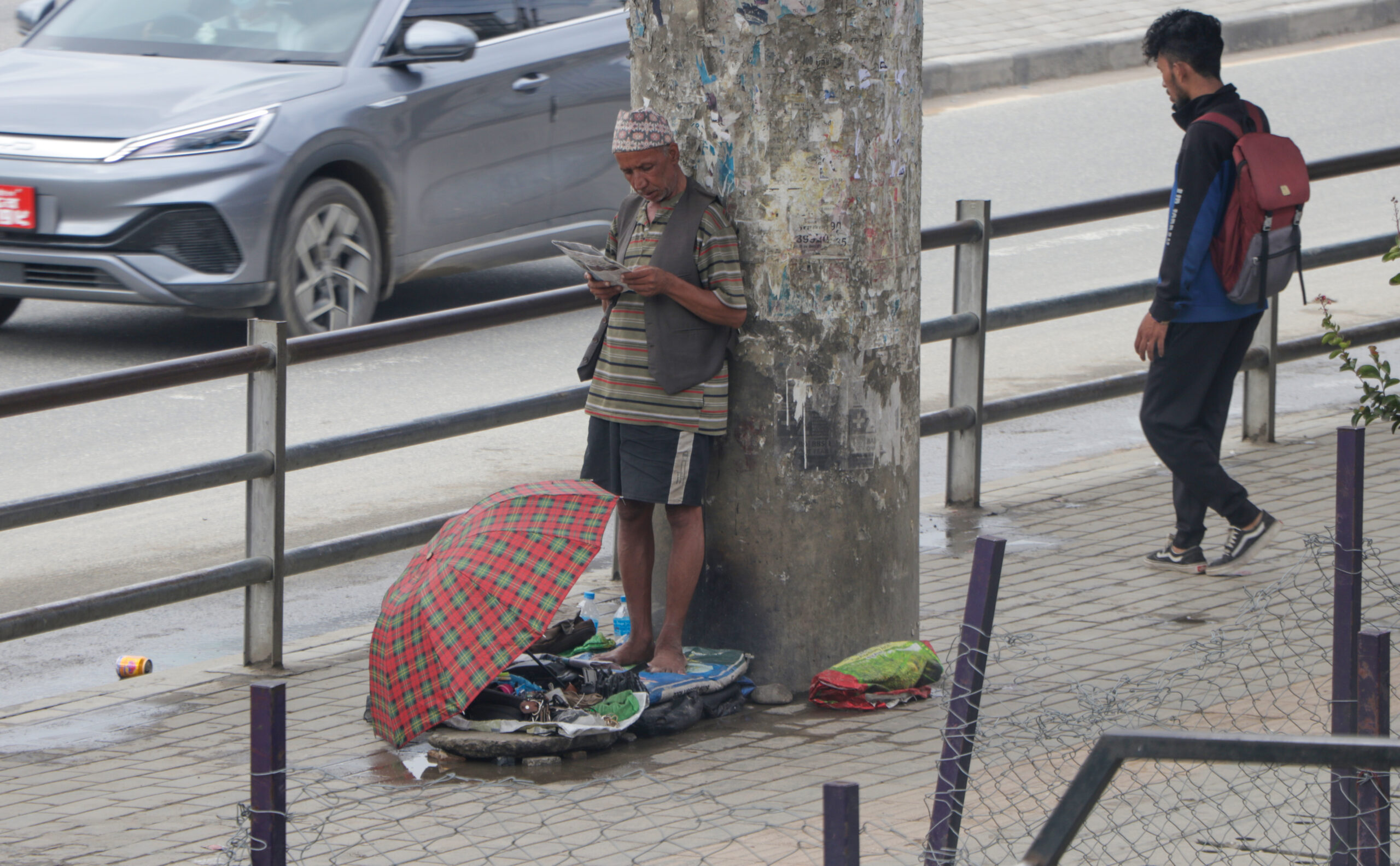
Nepal

Nigeria

Nigeria

Nigeria

Bangladesh
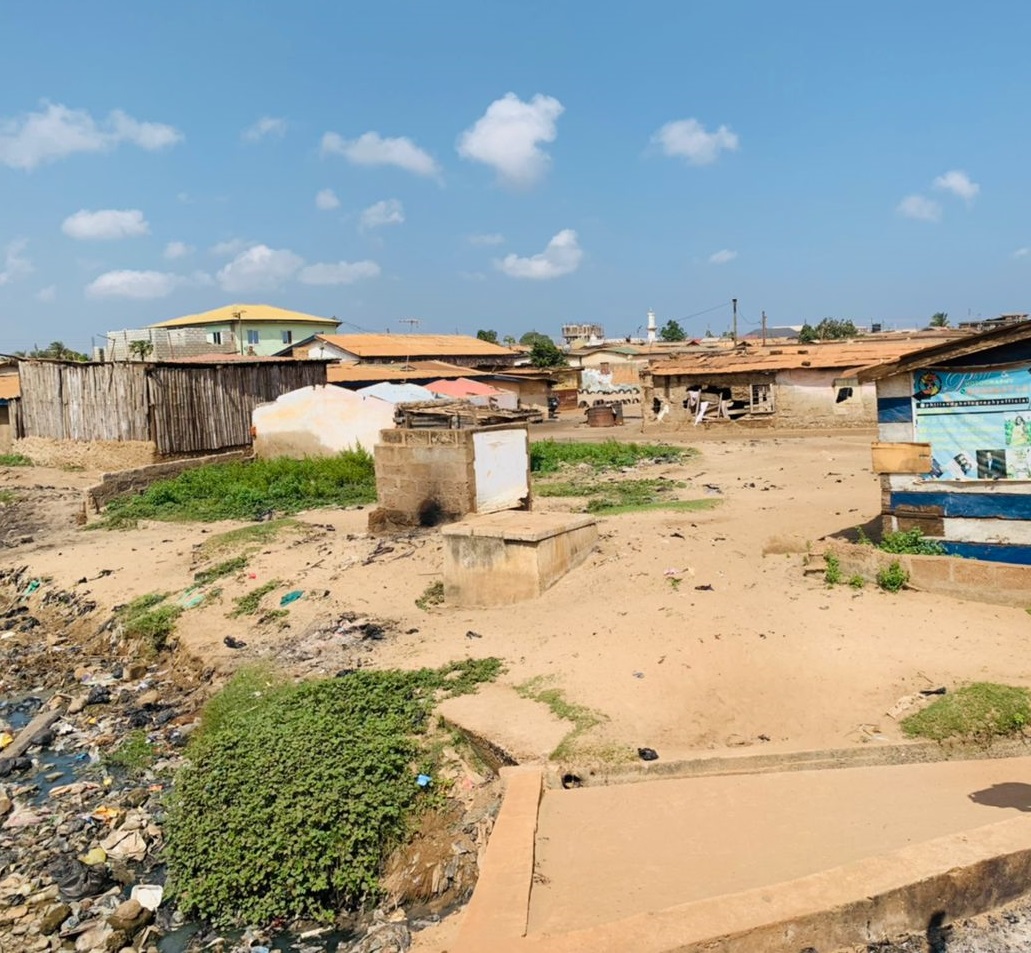
Ghana

Bangladesh

Ghana

Nepal

Nigeria
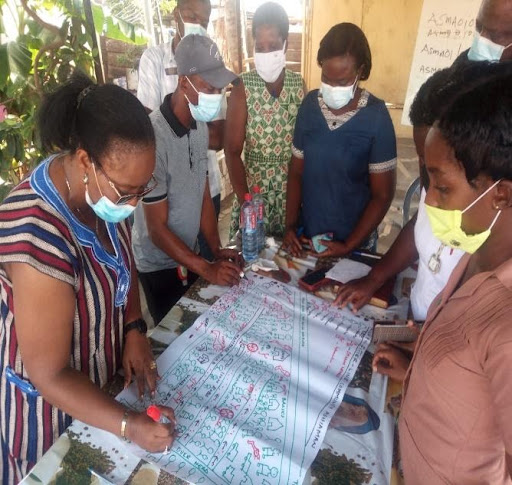
Ghana
OUR AREAS OF EXPERTISE
To support the CHORUS vision to help build responsive, resilient and equitable urban health systems, our four research pillars are supported by our core foundations and principles of the consortium: capacity strengthening, research uptake for impact, redressing gender and social inequities; equitable partnerships and quality research. Explore more below.