BANGLADESH
Strengthening NCD care for urban poor populations
BANGLADESH
Strengthening NCD care for urban poor populations
Strengthening the urban primary health care system to deliver essential Non-Communicable Disease care to the urban poor
ABOUT THIS PROJECT
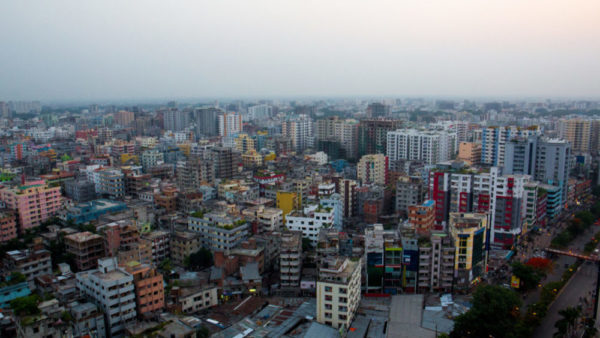
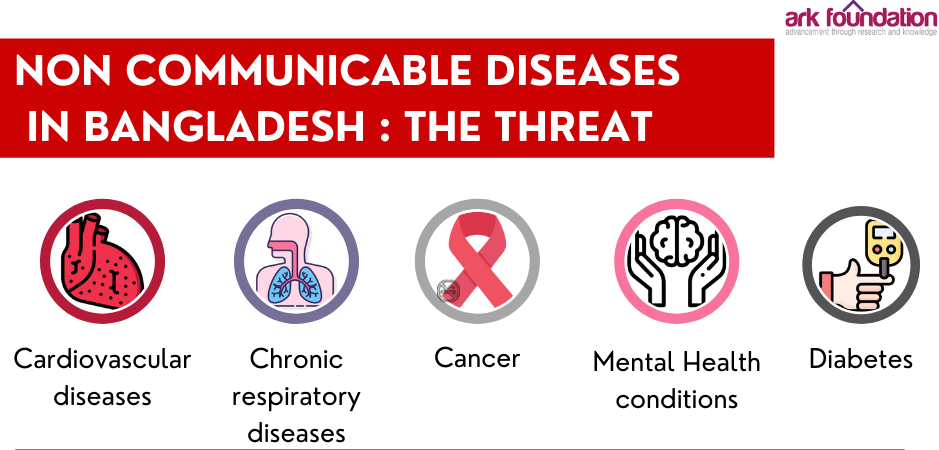
In Bangladesh, Non-Communicable Diseases (NCDs) are estimated to account for 67% of all deaths. In low and middle-income countries, urbanisation has been identified as a crucial underlying driver of the increase in NCDs. Rapid growth of urban populations has made the need to reorientate the urban health care system to focus on NCDs urgent. The focus on urban health has yet to be prioritised in policy and practice, and within the urban health system of Bangladesh, NCDs have been neglected. CHORUS, therefore, aimed to identify research evidence on the scope, opportunities and challenges in providing NCD care in urban areas, to minimise the healthcare gap for the urban poor and reduce the health burden of the urban areas.
A lack of digitisation and no mechanisms of record keeping and follow up of NCD patients, has caused a lack of standardised care across urban areas. The CHORUS Bangladesh project aimed to strengthen the management of NCDs within the urban primary health care system by integrating the PEN (Package of Essential Non-Communicable Diseases Interventions in Primary Care) and a newly developed Health Management Information System. The team explored the nature
The study by ARK Foundation was conducted in three stages:
The first was an extensive needs assessment; the team worked with key stakeholders to understand how NCDs were managed in urban primary health centres and among poor urban residents, using Participatory Action Research (PAR), alongside scoping reviews, data analysis and technical framing.
The second stage was the co-creation of the intervention; the CHORUS team worked with health workers and policy makers to adapt a PEN package for the specific urban healthcare context and develop a Health Management Information System (HMIS) to enable integrated data management and improve reporting. The team also worked with residents of urban slum areas to understand the suitability of the PEN and HMIS for specific contexts and how to make it understandable and accessible for urban residents.
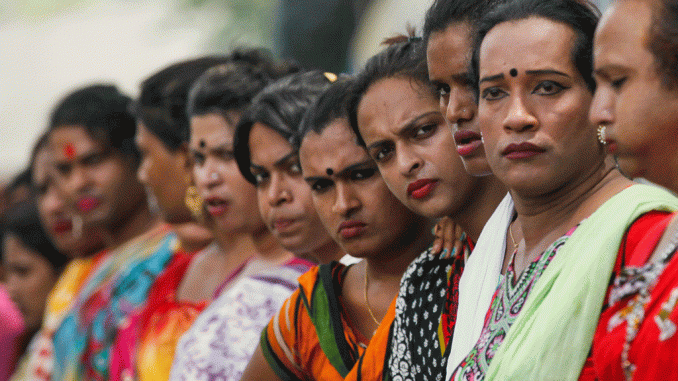
The team explored the nature of gender and equity issues within the urban health system, and by using a gender and intersectionality framework, implemented an intervention that helps address urban health inequities.
The third project stage evaluated the intervention using the RE-AIM framework, assessing the reach, effectiveness, adoption, implementation and maintenance (sustainability) of the health system intervention to strengthen the management processes for hypertension and diabetes within primary care facilities, also identifying the barriers and facilitators of implementing the PEN and HMIS platform in the urban primary healthcare centres to enhance the ability to scale up the intervention in other areas.
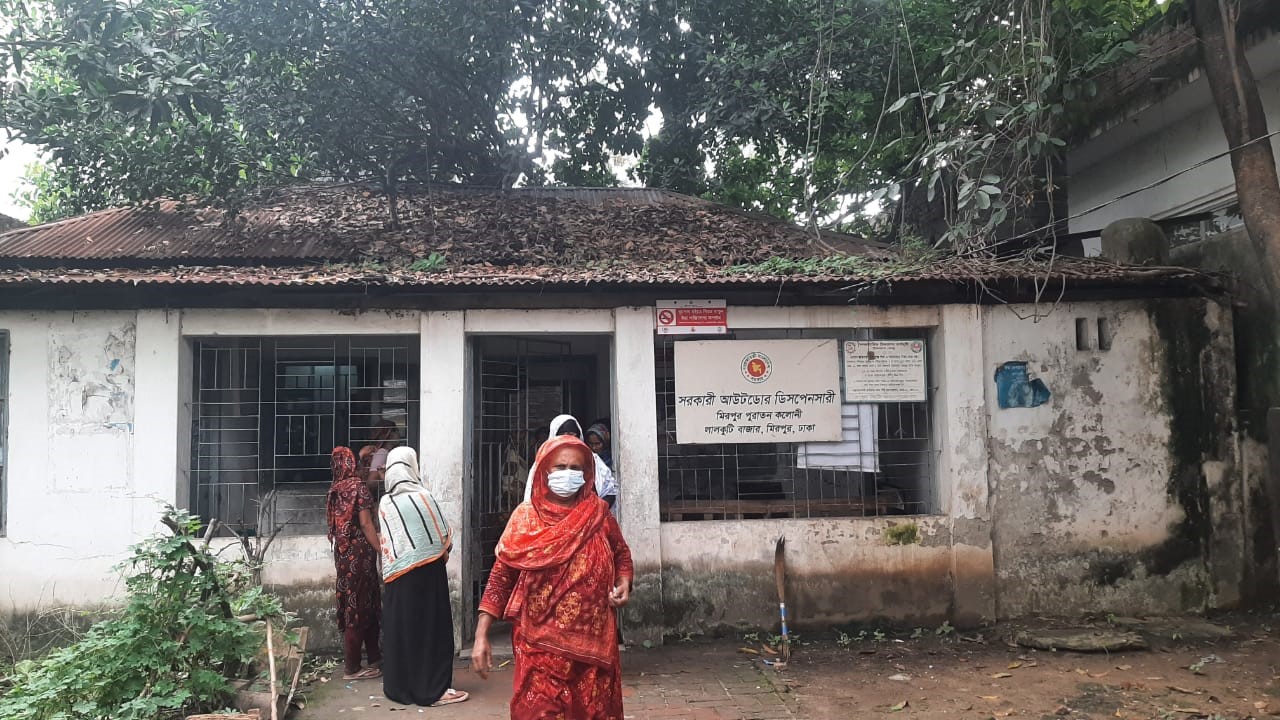
To implement the project, the team worked closely with key stakeholders, including the Non-Communicable Disease Control (NCDC) Programme of the Ministry of Health and Family Welfare (MoHFW); Local Government Division (LGD) of Ministry of Local Government, Rural Development and Co-operatives (MoLGRD&C); the Chief Health Officer; NCD specialists; gender and intersectionality specialists; urban primary health care centres; health care workers; patients and residents of urban slum areas in Dhaka and Khulna.
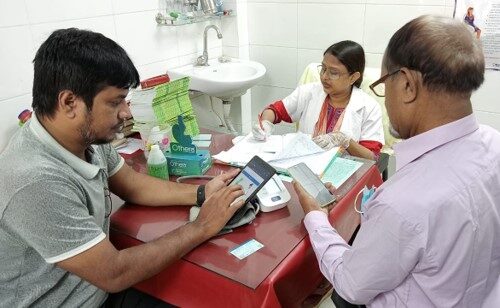
Through using a partnership structure with these stakeholders, an initiative was co-created to adapt a digital tool (‘Simple App’), to enable comprehensive NCD data capture in urban dispensaries and NGO primary care clinics, and link this to the national DHIS-2. This was supported by extensive capacity strengthening initiatives. By August 2024 , 1,120 hypertension and 684 diabetes cases had been documented by centres within the Dhaka study area, allowing health workers to track and provide continuity of care. The intervention was found to effectively improve the management of diabetes and hypertension, particularly reaching the under-served urban populations with improved NCD services, and the approach has been extended to Khulna, and further expansion is planned, with government resources for scale up allocated.
PUBLICATIONS
OUTPUTS & PATHWAYS TO IMPACT

Case Study
Bangladesh
Bangladesh
Bangladesh
![Picture1[1]](https://chorusurbanhealth.org/wp-content/uploads/2024/08/Picture11.jpg)
Bangladesh
Bangladesh
Bangladesh
Blogs
Bangladesh
Bangladesh
News & Events
Bangladesh