
BANGLADESH
Strategic Purchasing Models in urban Bangladesh

BANGLADESH
Strategic Purchasing Models in urban Bangladesh
Design and evaluate appropriate strategic purchasing models and the capacity strengthening of purchasers in Urban Bangladesh: A mixed method study

ABOUT THIS PROJECT
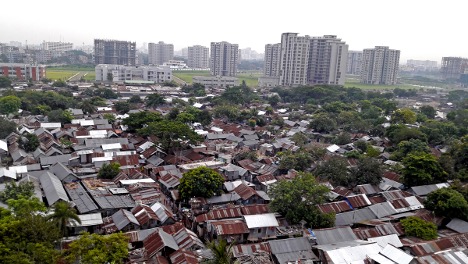
Bangladesh is experiencing a rapid urbanization with a growth rate of 2.5% compared to the national population growth rate (less than 1.4%)[1]. This poses challenges in terms of the availability of health care services and reaching the urban population, particularly the marginalized people. While the rural health system of Bangladesh has a comprehensive setting of primary health care (PHC) services through community clinics, Union Health & Family Welfare Centers and Upazila Health Complexes, there is no comparable infrastructure for PHC services in the urban areas. Despite the presence of different pluralistic healthcare providers in the urban areas (e.g., public, private, local, and international non-government organizations), the primary healthcare services are inadequate to respond to the needs of the fast-growing urban population.
In recent years, strategic purchasing has been mentioned explicitly in Bangladesh’s national policy documents and plans. Given the policy priorities and the growing role of the private sector, strategic purchasing is likely to be a way forward for the government to improve PHC provision in the urban settings. However, there is currently minimal capacity of the purchasers (i.e., MOHFW & city governments) to lead strategic purchasing and there are no clear guidelines on strategic purchasing at the national or city corporation level.
Also, and importantly, the discourse regarding who should be responsible and held accountable for the urban primary care: MOLGRD or MOHFW, is still ongoing.
These issues are causing various problems such as a lack of service coverage and quality monitoring and inefficiency. Therefore, strategic purchasing that focuses on maximising health system performance can be a key policy instrument for improving the urban health care system in Bangladesh, and towards achieving Universal Health Coverage goals.
The CHORUS Bangladesh Project 2 (jointly implemented by James P Grant School of Public Health, BRAC University and ARK Foundation) aimed to explore the current use of strategic purchasing within the urban PHC system in Bangladesh, and to design, cost and evaluate possible purchasing models, and build the capacity of purchasers to ensure sustainable & continued use of effective strategic purchasing.
PROJECT OBJECTIVES AND METHODOLOGIES
The study addressed the following objectives:
- Explore the existing purchasing arrangements within the urban PHC system of Bangladesh
- Develop an understanding of the current situation including facilitators and barriers to strategic purchasing facing the MOHFW and MOLGRDC/City Corporations
- Understand purchasing needs and preferences of the urban community and patients, particularly those living in urban slum areas.
- Develop an optimal model/modality and policy guidelines for strategically purchasing PHC services in urban areas
- Formulate policy recommendations for strengthening the capacity within the MOHFW & City corporations for strategic purchasing
- Conduct modelled cost estimation and impact evaluation of the purchasing models & the capacity strengthening of purchasers
The study used a mixed method approach including scoping review, policy review, qualitative interviews (KIIs, IDIs, FGDs), consultation workshops, participatory methods, including Community Advisory Panel (CAP) workshops, social map and wealth/poverty ranking, discrete choice experiments, modelled costing, and impact evaluation. This study produced valuable evidence on urban PHC financing, and identified key challenges and opportunities for strategic purchasing, to strengthen healthcare delivery systems and improve health outcomes for urban populations.
WORKING CLOSELY WITH STAKEHOLDERS
To implement the project, the study teams worked closely with the Directorate General of Health Services, Ministry of Health and Family Welfare; Directorate General of Family Planning, Ministry of Health and Family Welfare; Directorate General of Health Economics Unit, Ministry of Health and Family Welfare; Local Government Division, Ministry of Local Government and Rural Development; Dhaka North and South City Corporation; Khulna City Corporation; Urban Primary Healthcare Service Delivery Project; urban health care service providers; urban health experts; community groups and members; civil society organizations and community based organizations.
Through close collaboration and partnership, the project teams have used the evidence generated to co-develop a National Guideline on Strategic Purchasing for Urban Primary Healthcare in Bangladesh. The guideline provides a clear, context-specific and actionable way to move from fragmented financing to performance and equity oriented purchasing that can improve service quality, accountability and system responsiveness.
PUBLICATIONS
Factors affecting out-of-pocket expenditures for chronic and acute illnesses in Bangladesh
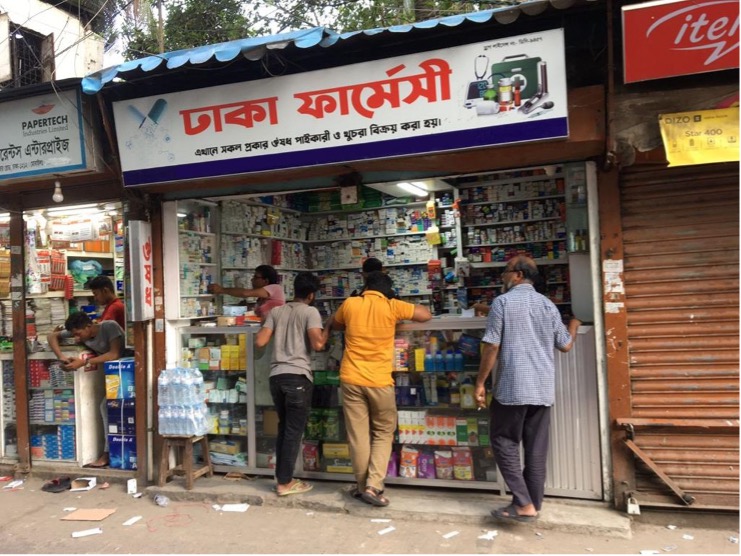
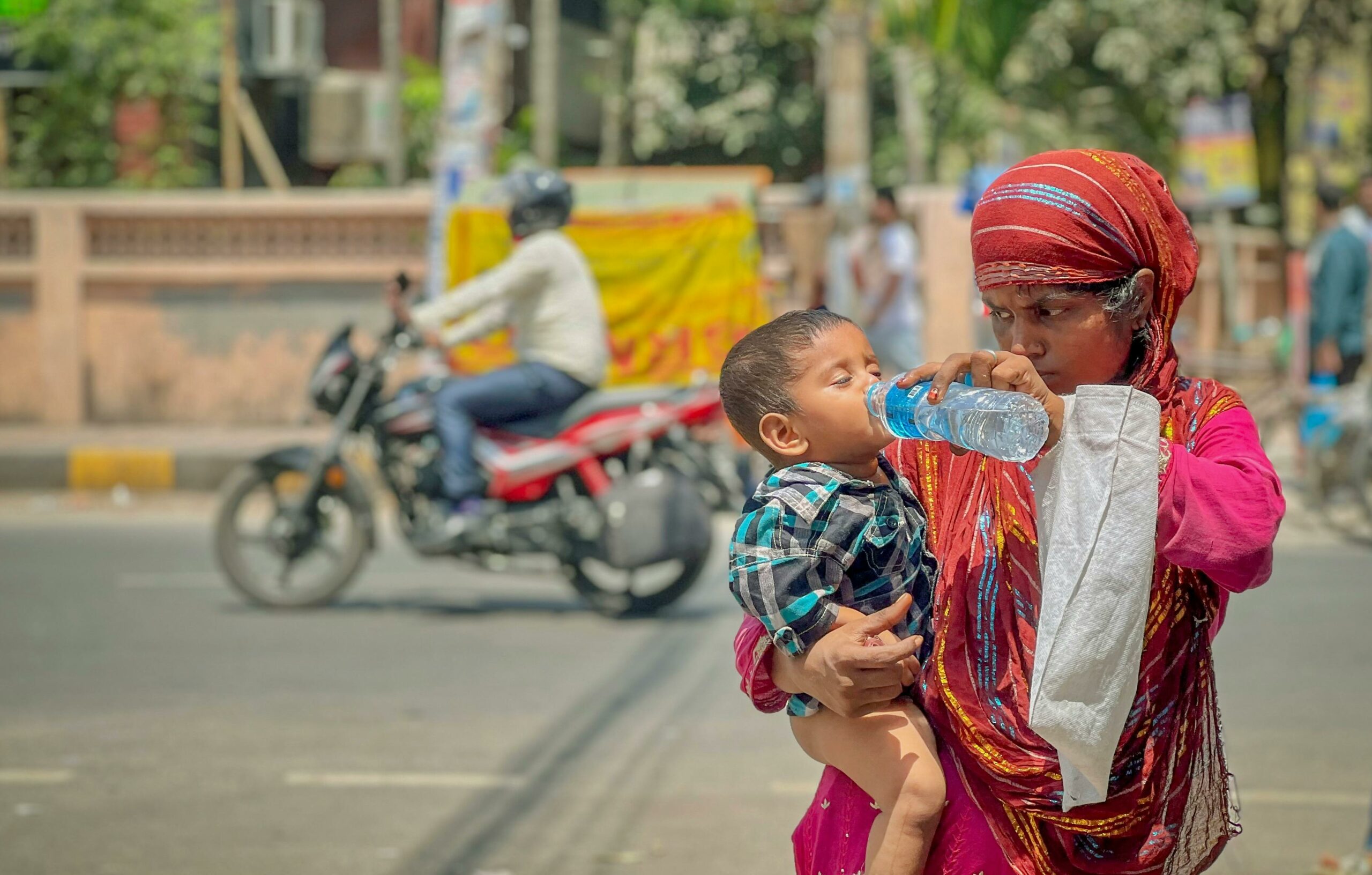
Photo Credit: Anisur Rahman Bayazid (2023), BRAC JPG School of Public Health, BRAC University
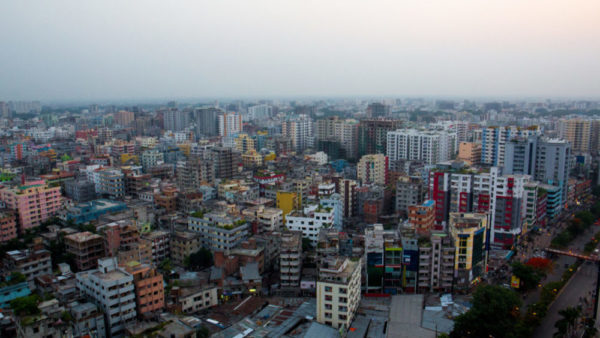
Photo credit: Momo Mustafa (2017), BRAC JPG School of Public Health, BRAC University
OUTPUTS & PATHWAYS TO IMPACT

Bangladesh
Bangladesh

News & Events

Webinars & Training