
GHANA
Supporting promotive and preventative
health services in urban poor communities

GHANA
Supporting promotive and preventative health services in urban poor communities
Linking communities, local government and health workers to support life cycle health promotion and prevention policies, programmes and services at the household and community level in urban poor neighbourhoods in Ghana.

ABOUT THE PROJECT
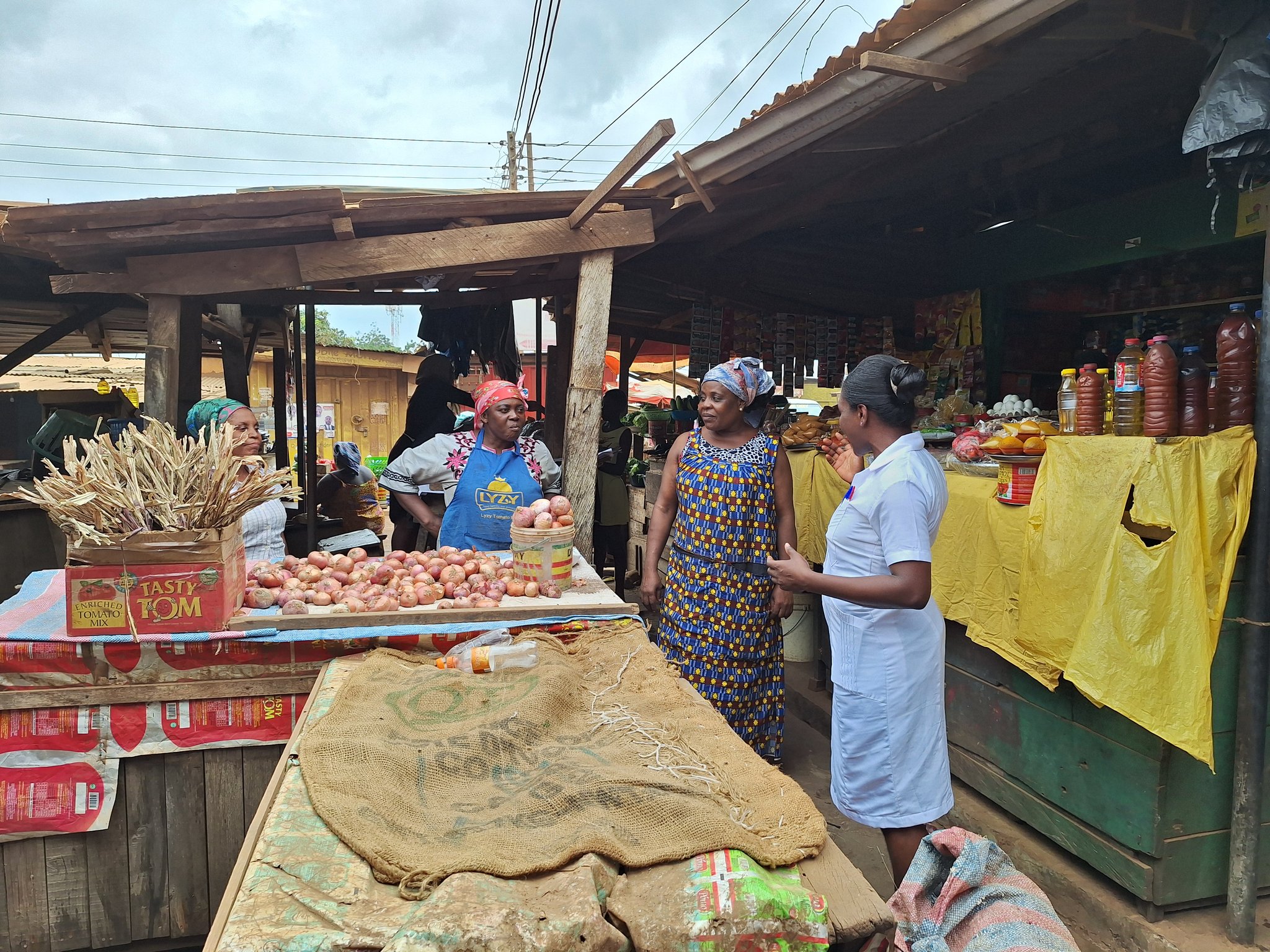
The Community Health Planning and Services (CHPS) concept was adopted in Ghana in 2005 as a national policy for the provision of primary health care (PHC) services, with a focus on ensuring that health care services are made accessible, equitable and efficient, and of good quality. The CHPS concept employs trained Community Health Officers (CHOs) that are assigned to deliver door-to door healthcare services to community members in various zones. Considering the successes chalked by the CHPS program in the rural areas in Ghana, the need arose to implement the program in urban settings.
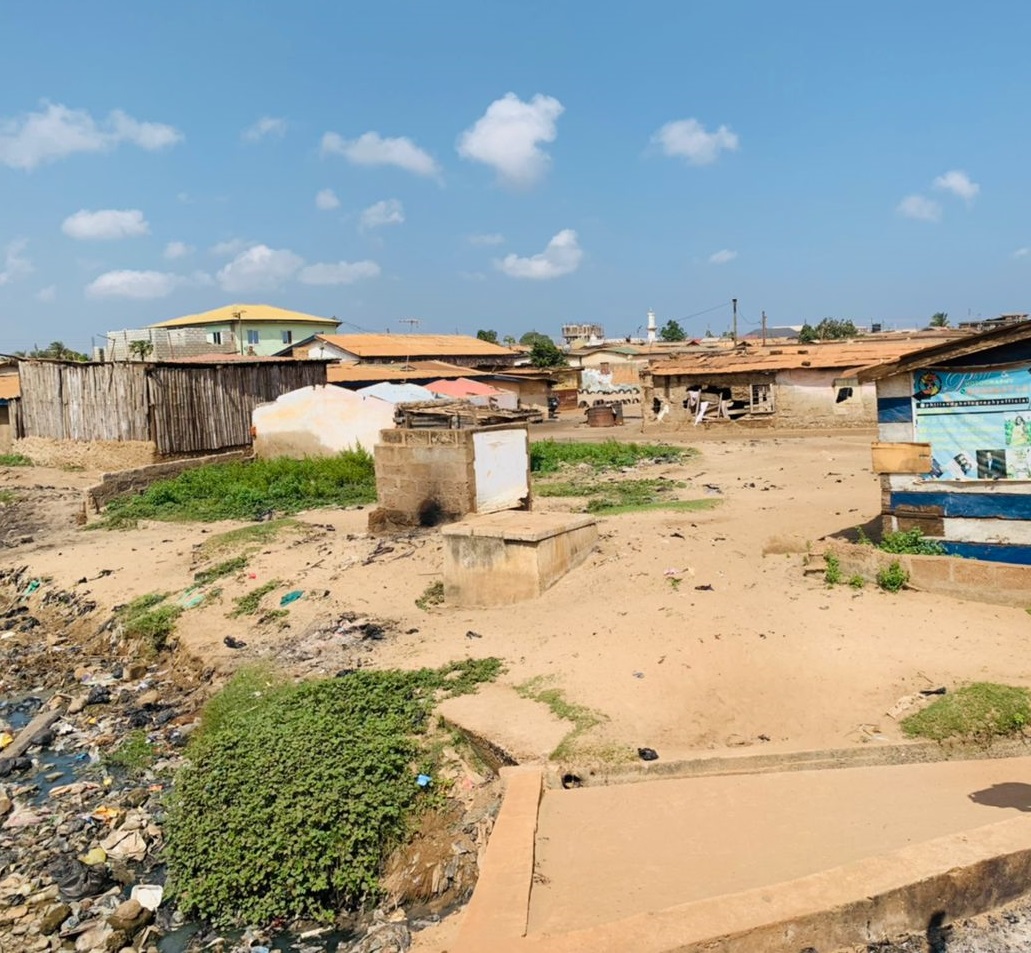
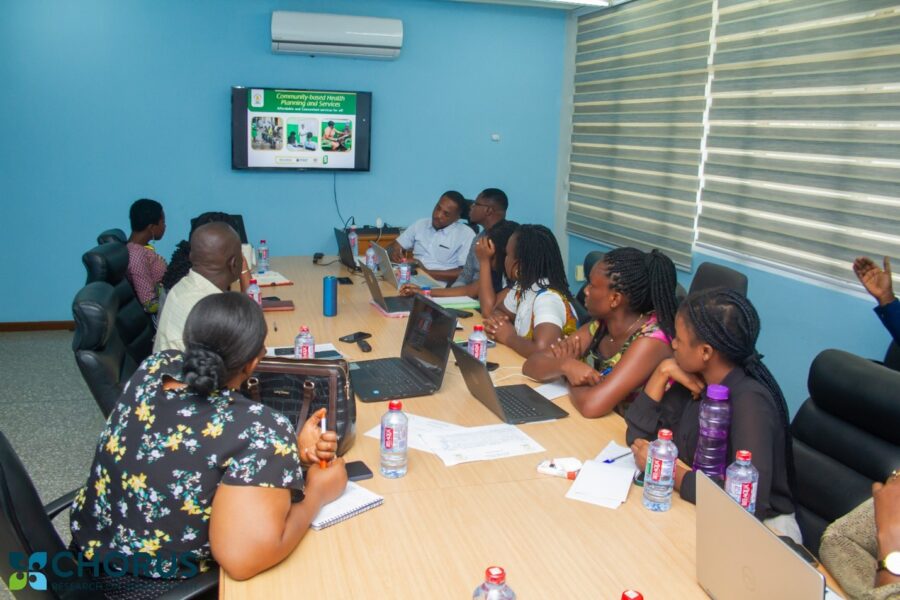
The implementation of CHPS in urban settings has faced many challenges due to the variations in the social networks in both settings, differences in disease burden and the structural and intermediate determinants of health. The urban health system continues to experience rising rates of non-communicable diseases, disparities in the wider determinants of health and poor collaboration between local government and the community. In addition, there is also limited free, quality primary health care despite the plurality of providers. Other challenges include lack of support from community members; a poor referral system and flow of information between the CHOs and referral facilities; inadequate basic logistics to carry out duties, and difficulties involving community members as volunteers. In understanding the role of the CHPS program as a driver for Universal Health Coverage in urban poor areas, there is a need for collaboration among all stakeholders to improve PHC, hence the birth of this research project.
The project uses the Participatory Action Research (PAR) approach, which involves the people and communities as researchers and agents of change in the development of collective understandings and analyses of problems and their solutions. The co-creation of health system interventions with community members enhances trust, and confidence in the system, as well as the responsiveness to the needs of the urban residents.
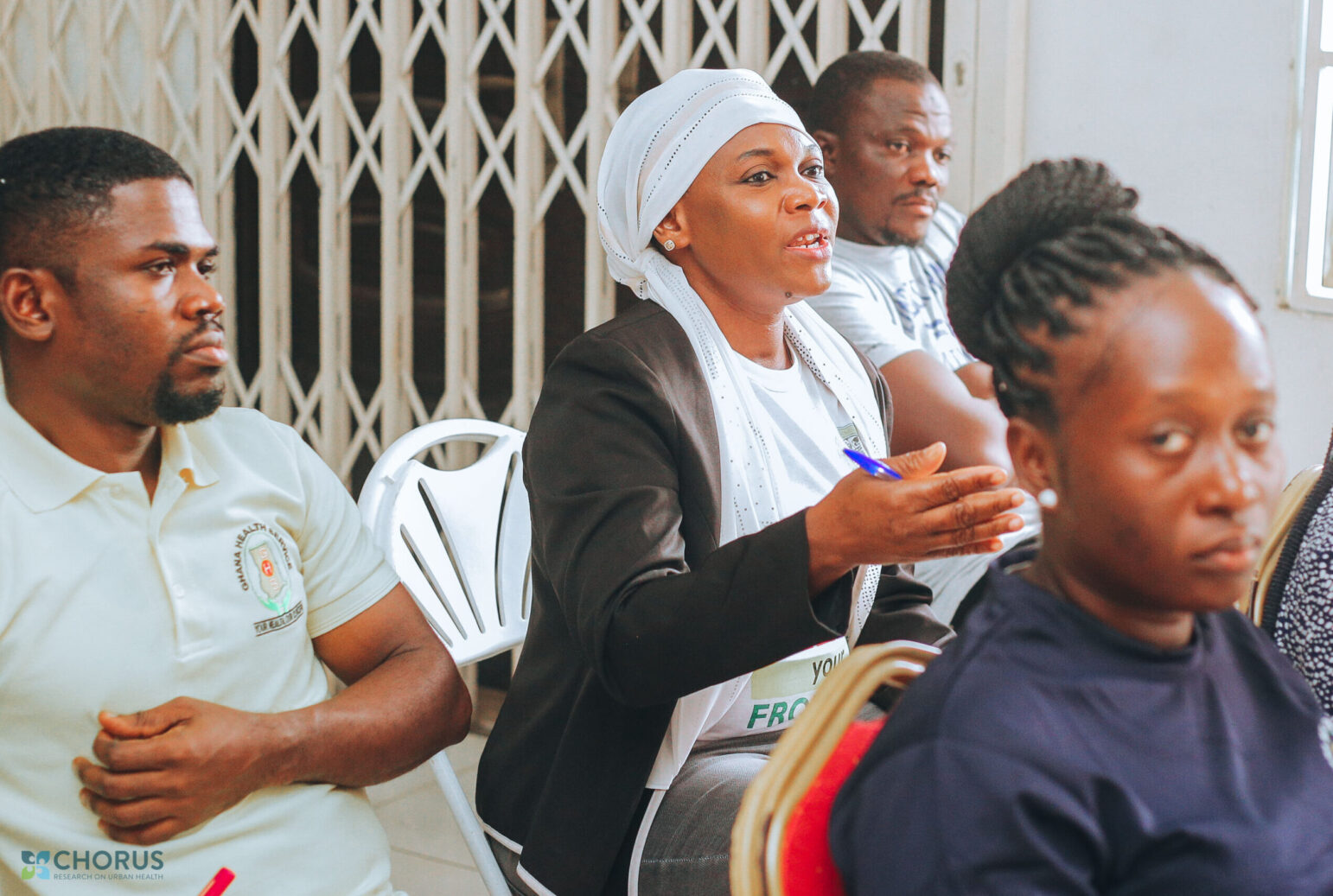
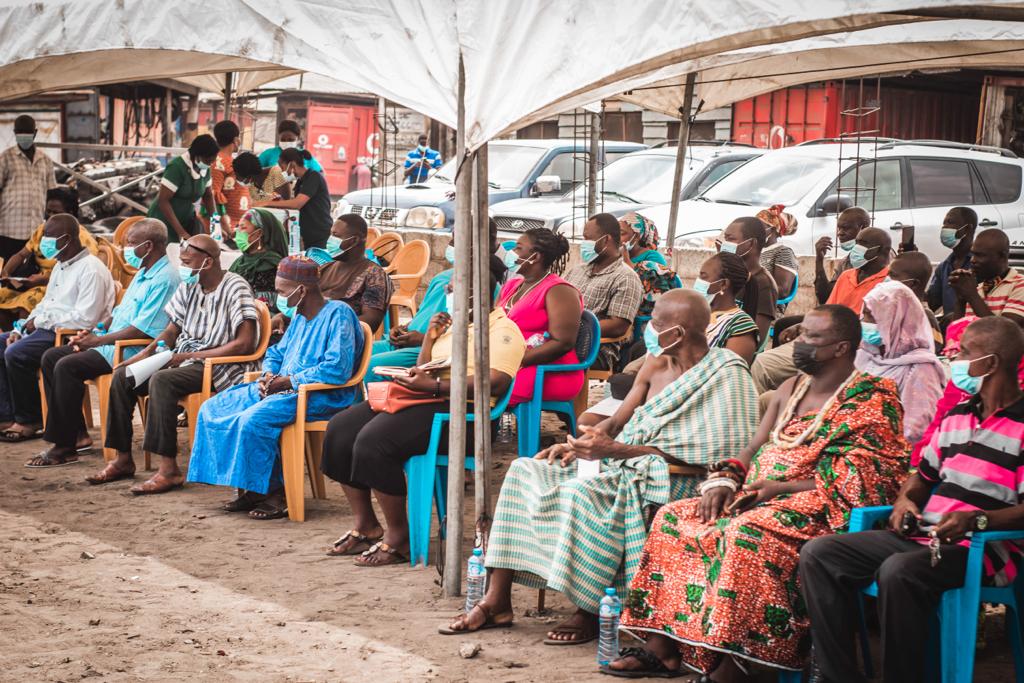
Problem analysis with opinion leaders, traditional and religious leaders, community health workers, assembly members, community members, local government, and district health managers, revealed multiple perspectives on the challenges, the relationships between stakeholders, and the extent of their engagement with one other. Rich picture sessions also helped visually represent the systems, relationships and complexities, built through an iterative process of engagement and reflection.
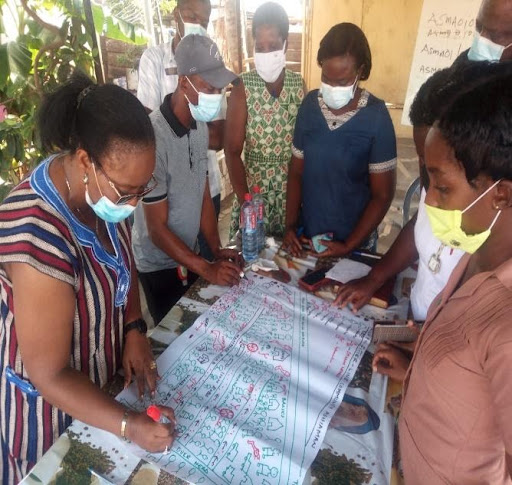
Following an extensive needs assessment, and co-creation process with the stakeholders, an intervention was co-developed to include initiatives to:
- Empower Community Health Officers (CHOs) to deliver life-cycle health promotion and preventative services
- Enhance public education and awareness of the CHPS services available
- Develop adaptions to the CHPS for urban areas
The adaptations to CHPS for urban settings developed will be included in the national CHPS guidelines. This includes a training manual for urban CHPs community health workers now covering common NCDs including hypertension, diabetes and mental health. The training materials developed, along with the promotional messaging developed in collaboration with GHS Health Promotion Department, are now ready and available for use by other urban districts.
PUBLICATIONS
OUTPUTS & PATHWAYS TO IMPACT

Blogs
Blogs

Ghana
Blogs

Blogs
Blogs