NEPAL
Approaches to strengthen NCD services for poor urban populations
NEPAL
Approaches to strengthen NCD services for poor urban populations
Nepal: Understanding the approaches needed to strengthen the service delivery of non-communicable disease programmes for the urban poor at the primary health care setting in Pokhara

ABOUT THIS PROJECT
A basic health service, including Non-Communicable Disease (NCD) care, is defined as a fundamental human right under the Nepalese Constitution, and it is local government that has the mandate to deliver basic health services to the people. At a time when federalisation in Nepal is going through the institutionalisation process, and the COVID-19 pandemic exposed weaknesses in the health system and routine healthcare services, the need to understand how to strengthen service delivery for the urban poor is crucial.
Evidence suggests that in the federal context of Nepal, the health system is struggling with an undervalued health agenda within government priorities. Essential medicines are out of stock, human resources lack capacity and management, the information system has poor quality data and usage, and there are difficulties ensuring the quality of health care provision whilst the services undergo expansion. NCDs now account for 66% of total deaths in Nepal, and the double burden of infectious and non-communicable disease has exacerbated the situation among the urban poor populations. Urgent action is needed to strengthen health systems in order to address the rising burden of NCDs among urban poor communities.
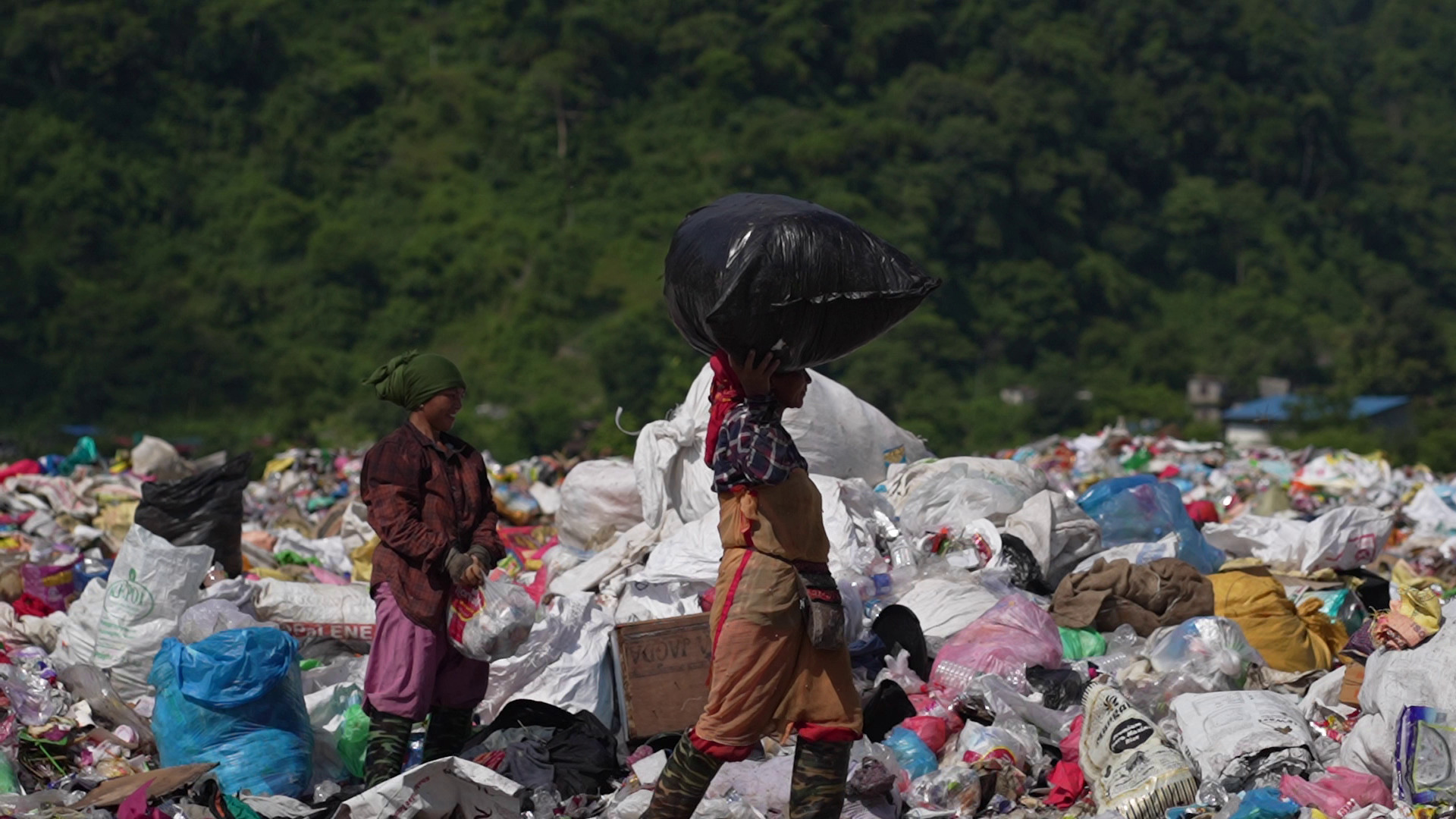
Marginalised populations already have limited access to health care services, and urban poor communities, for example those in informal settlements, are often overlooked in the planning process due to a lack of evidence and data and are therefore pushed further behind.
This project, led by HERD International and partnering with Pokhara Metropolitan City (PMC), sought to understand the approaches needed to strengthen the service delivery of NCD care for the urban poor at the primary health care setting in Pokhara, to improve health and reduce inequities in health outcomes in the urban communities. The project gathered extensive evidence that:
- Examined the perceptions and priorities of the stakeholders on NCDs and the associated risk factors as priority interventions; the role of the private sectors in the health system on NCD service delivery, and potential solutions to strengthen the NCD care services for the urban poor.
- Assessed the capacity of the municipality to engage with the private health sectors and deliver the NCD care services at the three different municipality levels: system, organisational and individual.
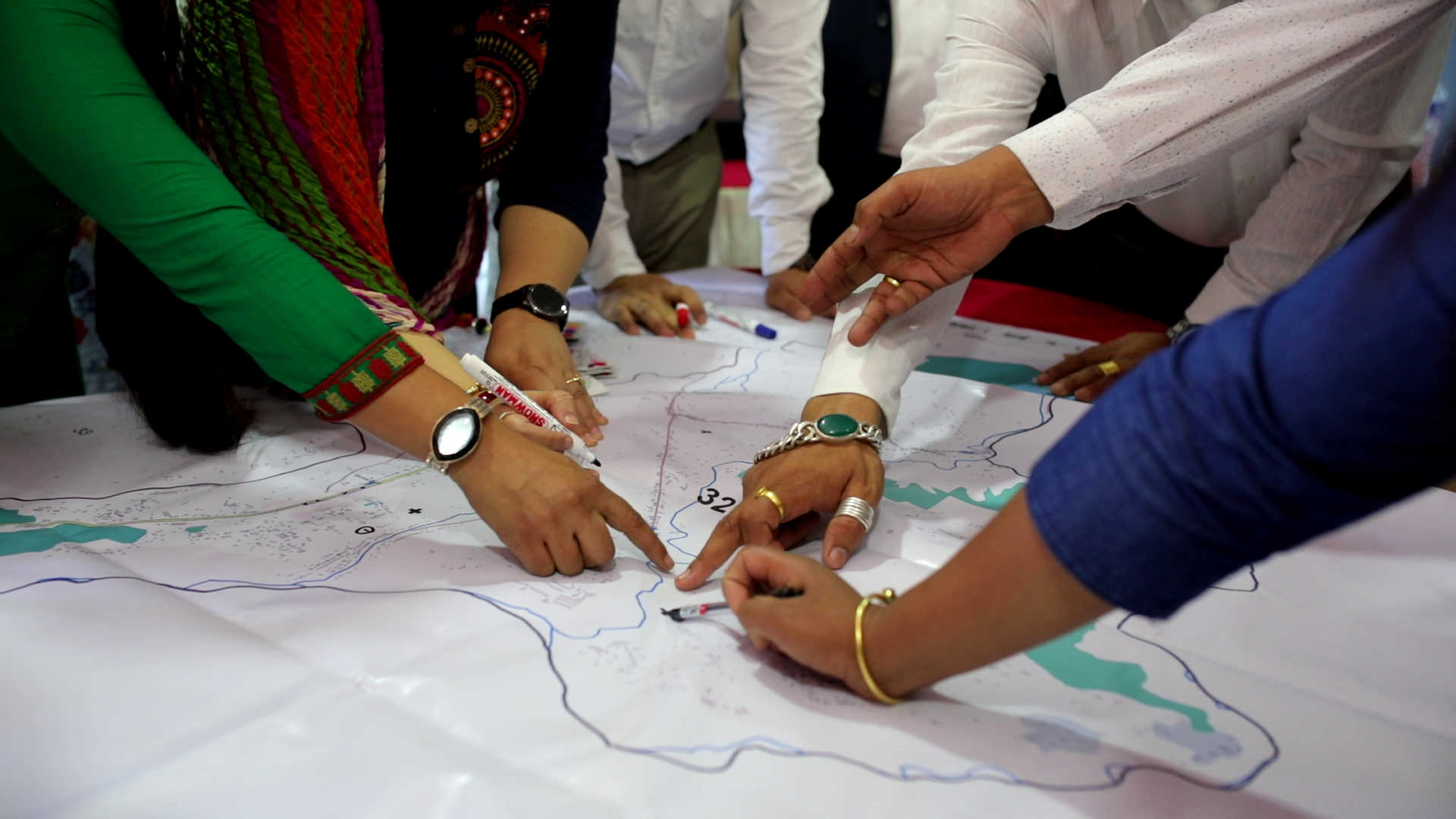
- Mapped private health care facilities delivering NCD care services.
- Assessed the service readiness of selected public and private health facilities in Pokhara Metropolitan City to deliver NCD prevention and care services.
- Mapped and examined the characteristics of the urban poor community, slum areas and squatter settlements in the selected wards of the Pokhara Metropolitan City and explore their NCD care seeking behaviour.
- Examined the barriers and enablers of the urban poor communities in accessing the basic NCD care services, through gender and intersectionality lens.
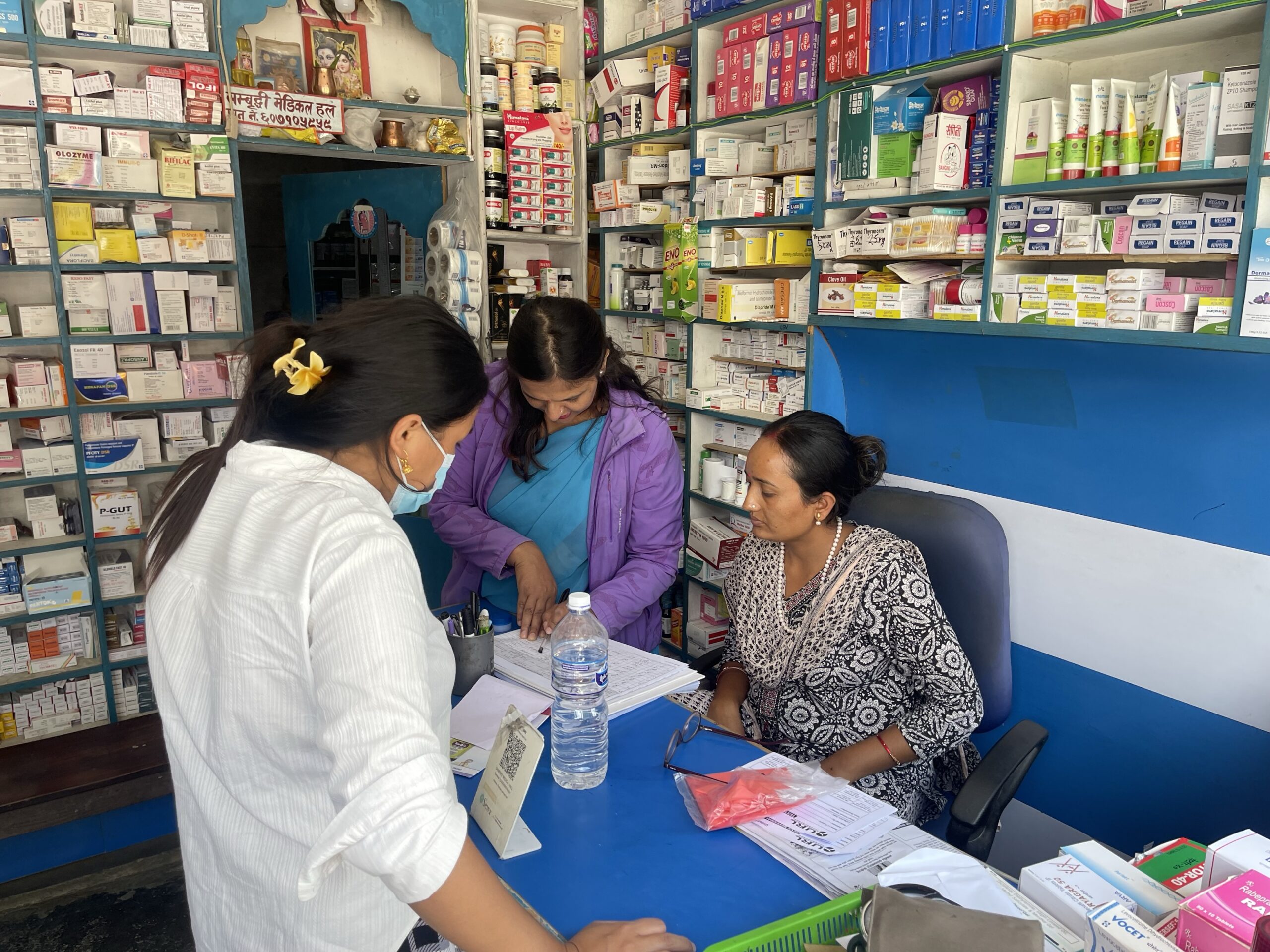
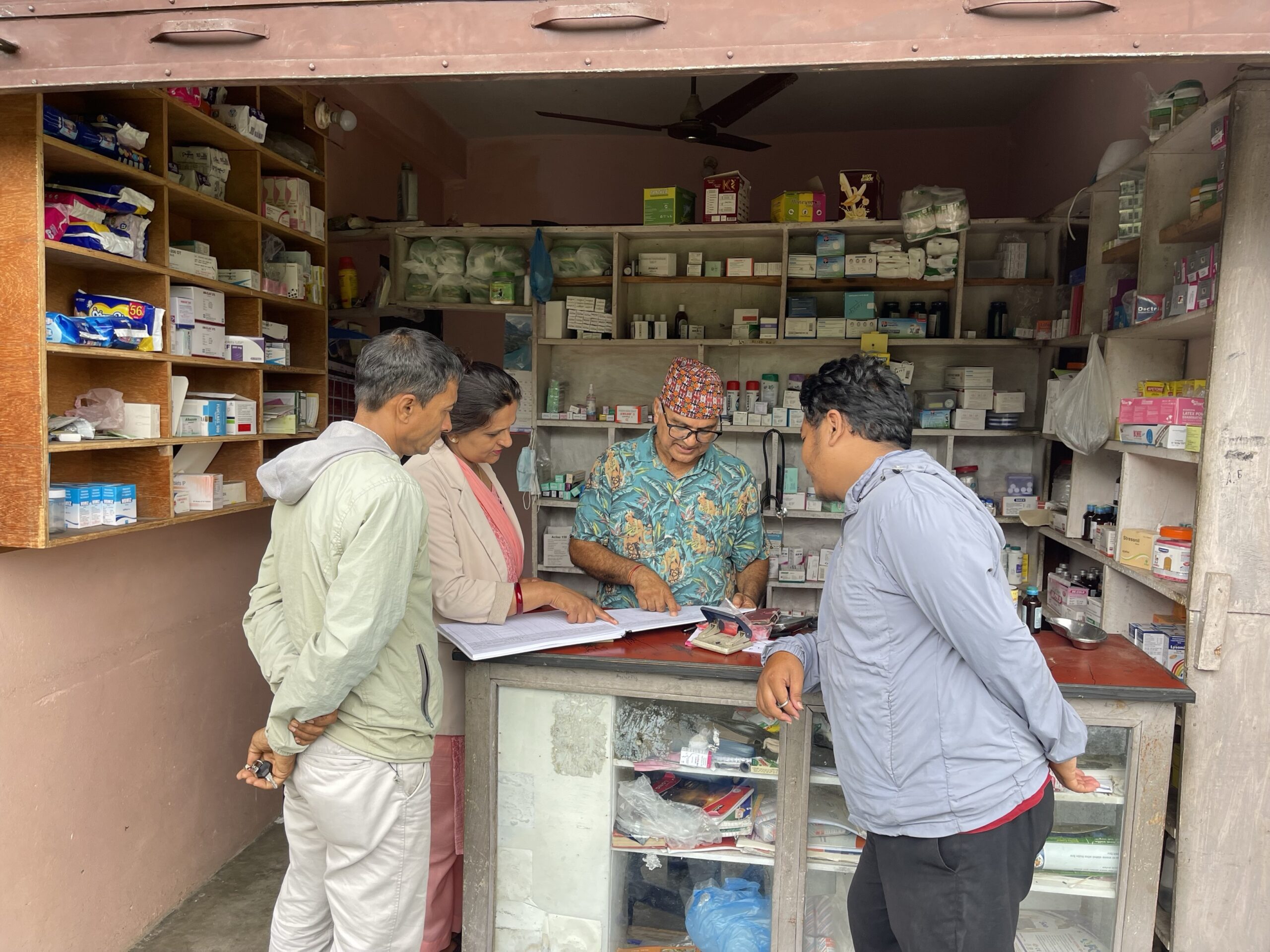
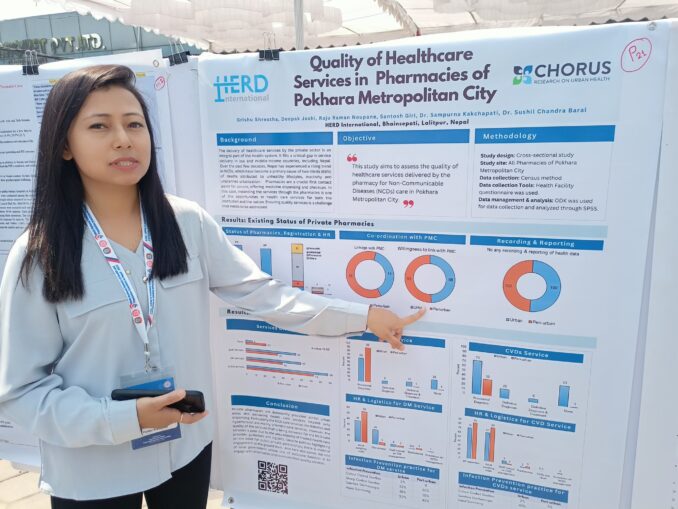
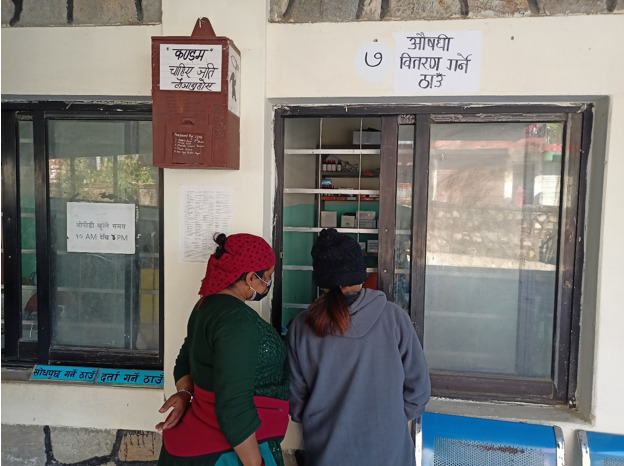
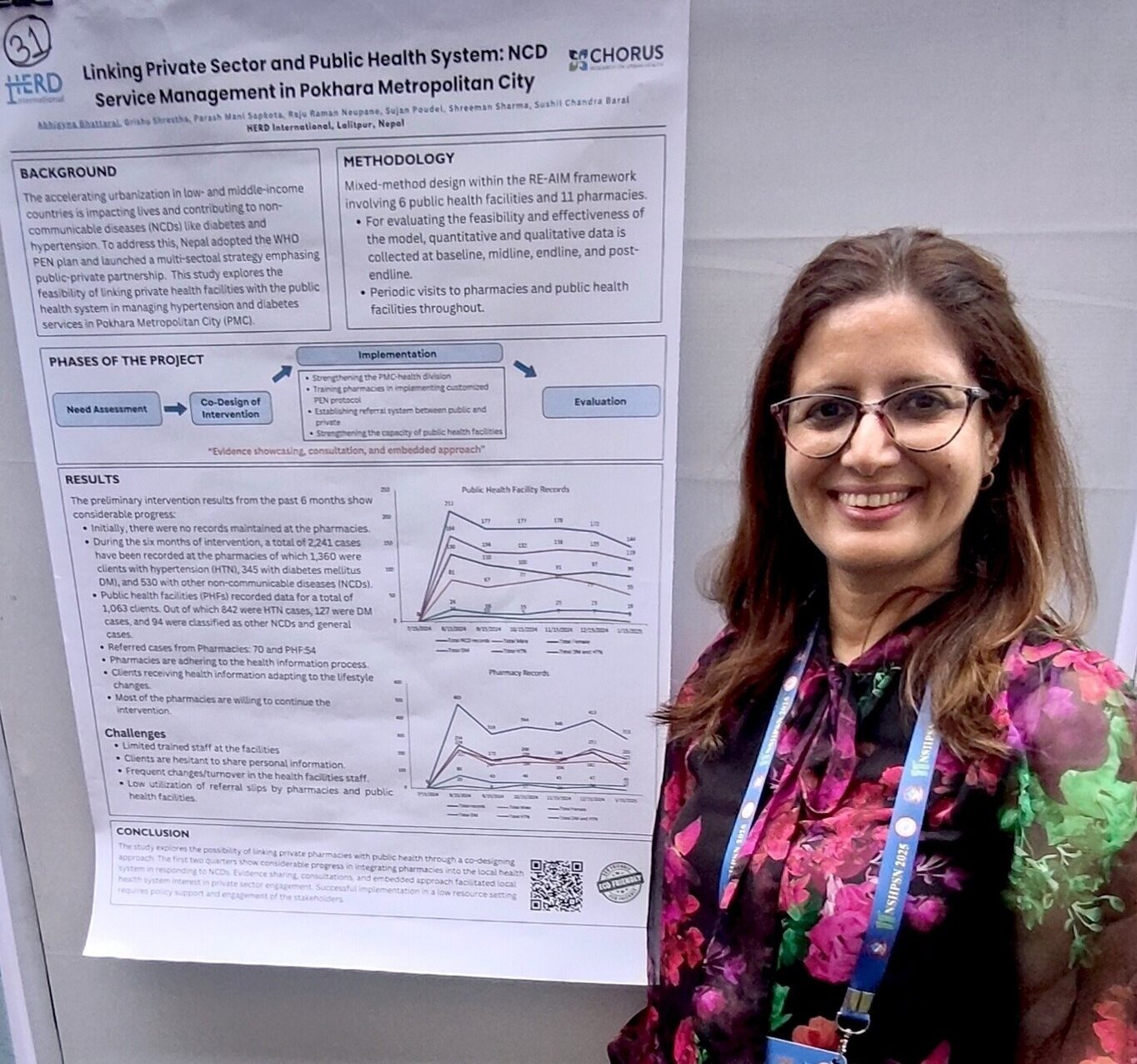
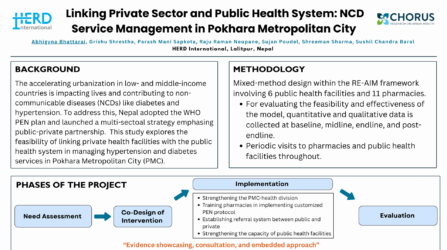
Through various stages of co-creation, the stakeholders used the evidence generated to co-develop a model to engage private pharmacies in NCD prevention and care, particularly for the urban poor. The intervention included a service linkage between PMC health facilities and private pharmacies, capacity development of pharmacies in screening, counselling, and referral services for NCDs. The co–creation process also emphasised the linkage between pharmacies and public health facilities for information management and referral services for diagnosis and management of NCDs.
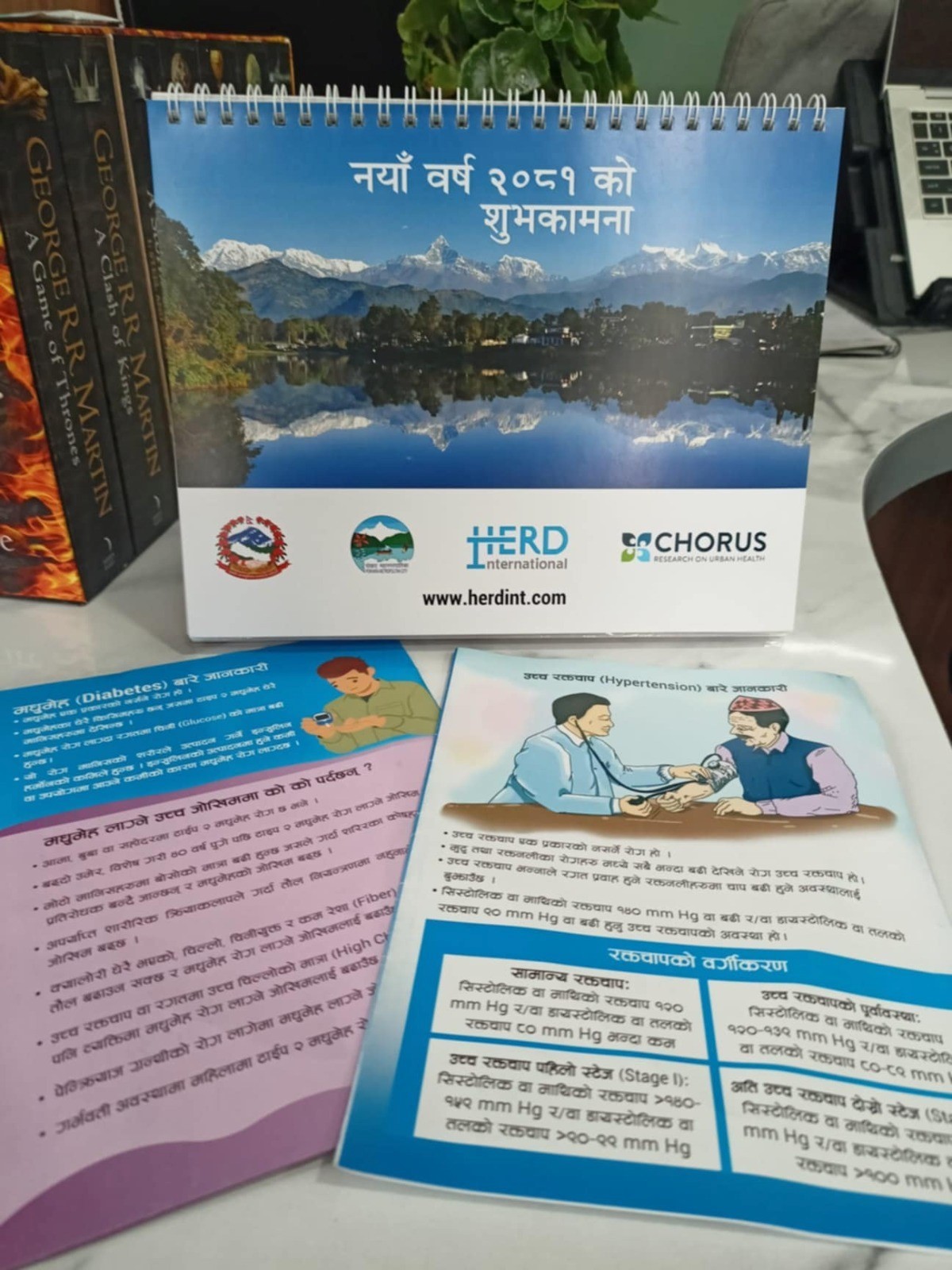
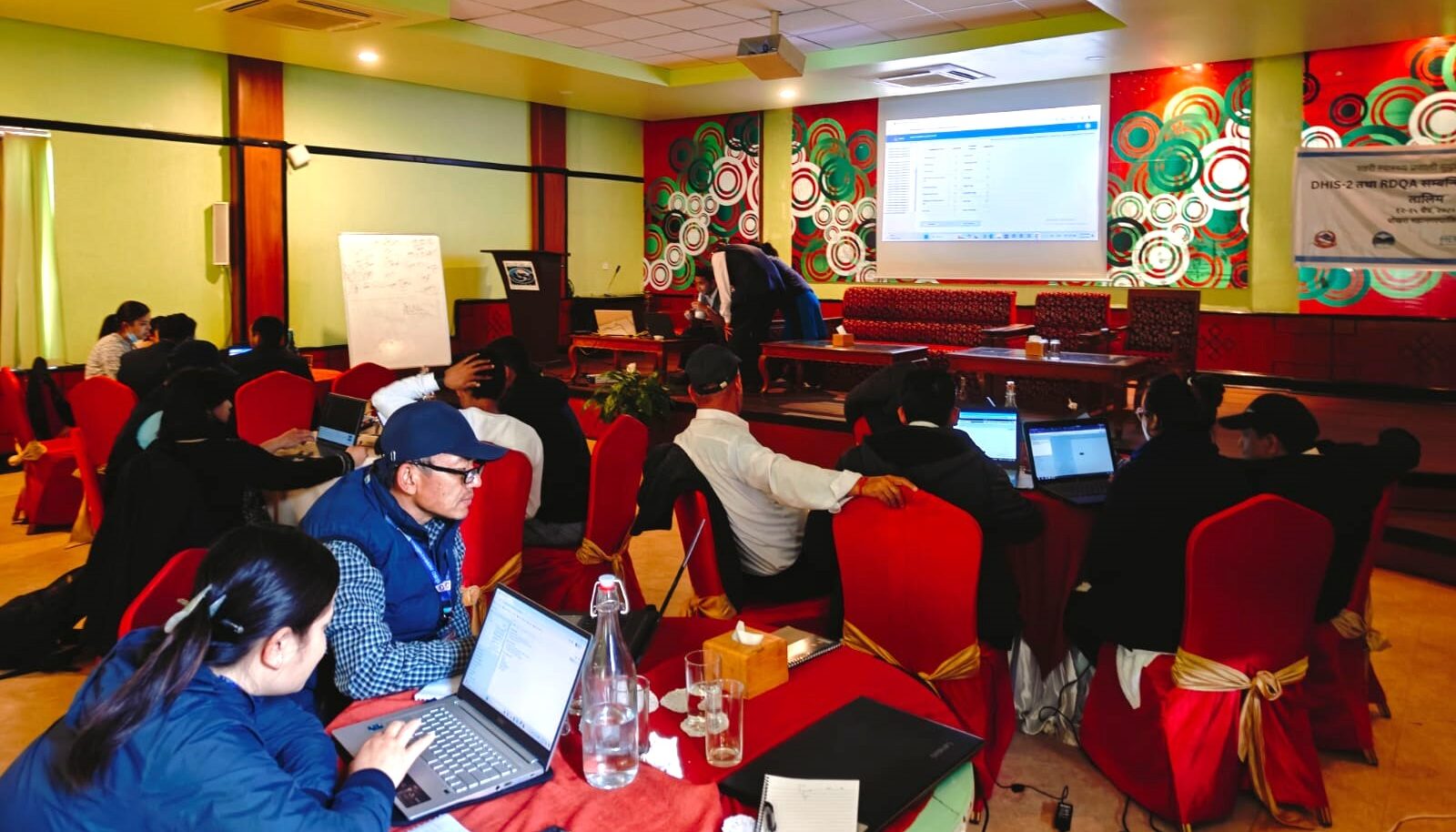
The partnership model linking community pharmacies with public primary care was found to improve overall appropriate management of NCDs. Screening for hypertension and diabetes will continue to be delivered in community pharmacies beyond the programme intervention, with a referral system in place and supportive supervision provided by PMC. Patient data on hypertension and diabetes collected by pharmacies will now feed into the DHIS-2. A guideline has been developed on establishing partnerships with pharmacies for NCD service delivery has been developed for adaptation by other city governments.
PUBLICATIONS
Photo by Adli Wahid on Unsplash
OUTPUTS & PATHWAYS TO IMPACT
CHORUS Guidelines

Case Study
Case Study
Pathway To Impact

Blogs
Blogs
Nepal
Health Systems
Blogs
Blogs
Blogs

Health Systems
News & Events

Nepal
Presentation
Presentation
CHORUS Poster
FEATURED PUBLICATIONS